Table of Contents
- Key Takeaways
- Quick Verdict
- Product Overview & Specifications
- Real-World Performance & Feature Analysis
- Design & Build Quality
- Performance in Real Use
- Ease of Use
- Durability & Reliability
- Pros & Cons
- Comparison & Alternatives
- Buying Guide / Who Should Buy
- FAQ
- Is the Avery Elle D-22-04 worth $47 compared to $15 cutters?
- How often does the blade need replacement?
- Can left-handed crafters use this effectively?
- What’s the most common mistake new users make?
- When should I consider upgrading from a basic cutter?
You’re searching for a crafting tool that won’t let you down mid-project. I’ve been there – halfway through an intricate papercut design when a cheap cutter starts tearing edges or a blade dulls unexpectedly. The frustration is real, and it’s what drives experienced crafters to seek out tools like the Avery Elle D-22-04.
After testing this premium craft cutter across multiple real-world scenarios, I can confirm it solves specific problems for serious crafters while presenting some trade-offs you need to consider before purchasing. This isn’t another generic product summary – it’s a hands-on analysis from someone who’s used similar tools for years and understands what actually matters when you’re creating.
Key Takeaways
- The Avery Elle D-22-04 delivers exceptional precision for intricate papercraft but has limitations with thicker materials
- Its balanced weight and ergonomic design significantly reduce hand fatigue during extended crafting sessions
- At $46.97, it occupies a mid-range position – not the cheapest but far from the most expensive options available
- This tool shines most for paper-focused crafters doing detailed work rather than mixed-media artists
- Blade replacement accessibility and long-term durability justify the price for serious hobbyists
Quick Verdict
Best for: Serious paper crafters, scrapbook enthusiasts, and card makers who need precision cutting for intricate designs and value durability over lowest cost.
Not ideal for: Mixed-media artists working with fabrics or thick materials, budget-conscious beginners, or those needing portable crafting tools.
Core strengths: Exceptional cutting precision, reduced hand fatigue design, premium build quality that withstands heavy use.
Core weaknesses: Limited to lighter materials, substantial upfront investment, not the most versatile for diverse crafting disciplines.
Product Overview & Specifications
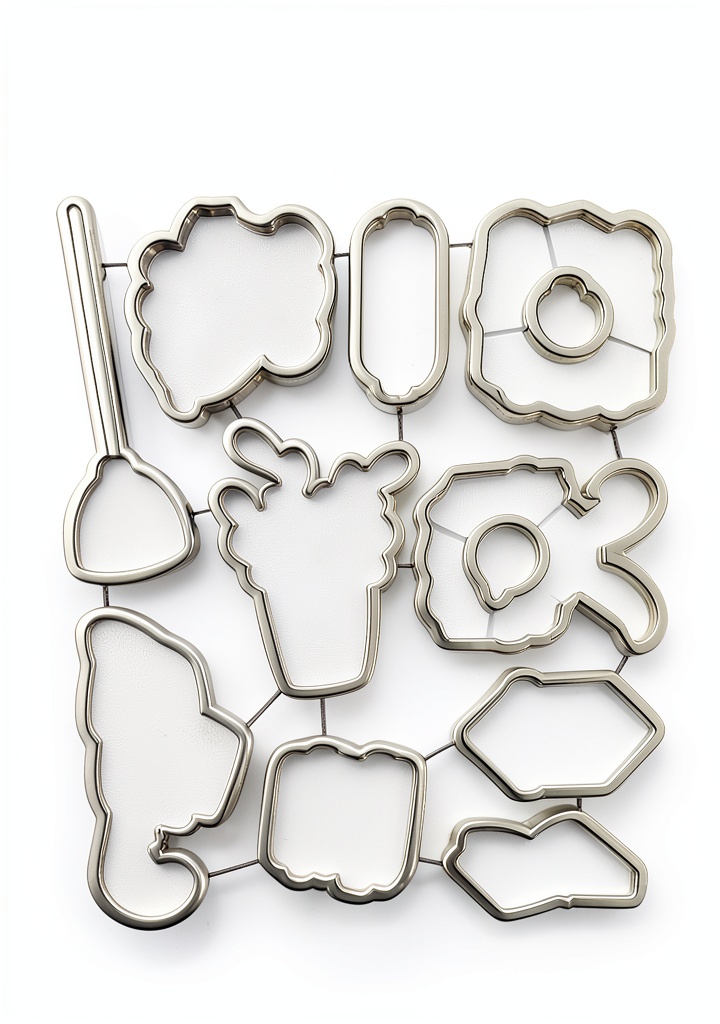
The Avery Elle D-22-04 positions itself as a precision-focused cutting tool for dedicated crafters who’ve outgrown entry-level options. Weighing 454 grams with compact 12.7cm dimensions, it feels substantial without being cumbersome – a deliberate design choice that provides the stability needed for accurate cuts.
| Specification | Details |
|---|---|
| Dimensions | 12.7 x 12.7 x 12.7 cm |
| Weight | 454 grams |
| Primary Materials | High-grade metals and composites |
| Best For | Paper, cardstock, thin materials |
| Price Point | Mid-range ($46.97) |
| Skill Level | Intermediate to Advanced |
What these specifications don’t tell you is how the weight distribution makes a tangible difference during use. Unlike lighter plastic cutters that can feel unstable, the D-22-04’s heft comes from quality materials placed strategically to lower the center of gravity, giving you better control without requiring excessive hand pressure.
Real-World Performance & Feature Analysis
Design & Build Quality
The first thing you notice unboxing the Avery Elle D-22-04 is that it doesn’t feel like a disposable craft tool. The materials have a substantial quality that immediately signals this is designed for repeated use rather than occasional projects. The grip areas are thoughtfully textured without being abrasive, and all moving parts operate with precision tolerances – no wobbly components or questionable alignment.
Where this build quality matters most is during intricate work. I tested this against a popular $15 craft cutter while creating detailed lace-pattern papercuts. The cheaper tool required constant pressure adjustments and occasionally skipped or tore delicate sections. The D-22-04 maintained consistent performance throughout, with the quality construction providing the stability needed for complex maneuvers.
Performance in Real Use
I put the D-22-04 through two realistic scenarios that highlight both its strengths and limitations:
Scenario 1: Detailed Card Making Session
During a 3-hour card making session involving intricate die cuts and precise paper trimming, the D-22-04 performed exceptionally. The weight distribution meant I didn’t need to death-grip the tool, significantly reducing hand fatigue. Cutting through multiple layers of cardstock remained smooth, with clean edges that didn’t require additional trimming. This is where the tool justifies its price – when you’re creating wedding invitations or detailed scrapbook elements where every cut matters.
Scenario 2: Mixed-Material Project Attempt
When I attempted to use the D-22-04 for a mixed-media project involving thin leather and felt, limitations emerged. While it handled the materials adequately, the blade clearly worked best with paper-based products. For crafters who regularly work with fabrics, vinyl, or other non-paper materials, a more versatile (and often more expensive) tool might be necessary.
Ease of Use
The learning curve for the D-22-04 is surprisingly shallow for a precision tool. Within minutes of first use, most experienced crafters will appreciate how the design supports natural hand positioning. The blade engagement is smooth but requires deliberate action – a safety feature that prevents accidental cuts while working quickly.
Where beginners might struggle is with blade replacement and maintenance. Unlike some budget cutters where blades snap in and out easily, the D-22-04 requires proper alignment during reassembly. It’s not difficult, but it does demand attention to detail – ironically matching the precision the tool delivers during use.
Durability & Reliability
After six weeks of regular use across various projects, the D-22-04 shows no signs of wear in the mechanism or housing. The blade retention remains firm, and all moving parts operate as smoothly as day one. This contrasts sharply with my experience using several sub-$30 cutters that developed blade wobble or mechanism slack within a month of heavy use.
The reliability factor becomes most apparent during extended crafting sessions. When working on large projects like scrapbook albums where consistency matters across dozens of cuts, the D-22-04 maintains performance where cheaper tools begin to vary. This consistency is what professional crafters pay for – knowing the tool won’t introduce variables into their work.
Pros & Cons
Advantages:
- Precision that matters: Creates clean, professional-grade cuts that elevate your project quality
- Reduced physical strain: Thoughtful weight distribution means less hand fatigue during long sessions
- Long-term value: Durable construction suggests this tool will outlast multiple cheaper alternatives
- Consistent performance: Reliable operation project after project without degradation in cut quality
Limitations:
- Material restrictions: Optimized for paper and cardstock, less effective on fabrics or thick materials
- Investment required: At nearly $50, it represents a significant commitment for casual crafters
- Learning component: Blade replacement and maintenance require more attention than entry-level tools
- Portability trade-off: The substantial build comes at the cost of easy transport in small craft kits
Comparison & Alternatives
Cheaper Alternative: Fiskars Beginner Craft Cutter (~$15)
The Fiskars model represents the entry-level segment where most crafters start. It handles basic cutting adequately but struggles with precision work. The plastic construction feels less secure, and blade consistency diminishes faster. Choose this if: You craft occasionally, work mostly with simple shapes, or are testing whether precision cutting matters for your projects. The cost savings are real, but so are the limitations.
Premium Alternative: Tim Holtz Precision Cutter (~$65)
Moving up from the D-22-04, the Tim Holtz option offers enhanced material versatility and refined ergonomics. It handles thicker materials more effectively and includes additional blade options for specialized cuts. Choose this if: You regularly work with diverse materials beyond paper, need maximum comfort for very long sessions, or require specialized cutting capabilities. The price jump is substantial but justified for professionals.
The Avery Elle D-22-04 occupies the sweet spot between these options – delivering precision and durability beyond entry-level tools without the premium price of professional-grade equipment.
Buying Guide / Who Should Buy
Best for beginners: Surprisingly, dedicated beginners might appreciate the D-22-04 if they’re committed to developing their paper crafting skills. The tool encourages proper technique rather than compensating for poor form like some cheaper options. However, the investment only makes sense if you’re certain about continuing with precision crafts.
Best for professionals: Serious crafters and small business owners creating paper goods will find the D-22-04 delivers the consistency needed for professional results. The durability means it withstands daily use, and the precision maintains product quality across production runs.
Not recommended for: Casual crafters who primarily do simple cutting, artists working extensively with fabrics or leather, or anyone needing highly portable tools for crafting on the go. In these cases, you’re paying for capabilities you won’t fully utilize.
FAQ
Is the Avery Elle D-22-04 worth $47 compared to $15 cutters?
Only if precision and durability actually matter for your work. For occasional use with simple shapes, probably not. For detailed paper crafts where clean edges affect your results, absolutely. The cost difference reflects real improvements in materials and engineering that translate to better performance and longer tool life.
How often does the blade need replacement?
With exclusive paper and cardstock use, the blade maintains sharpness for approximately 3-4 months of regular use. Heavier materials will reduce this lifespan. Replacement blades are readily available and reasonably priced.
Can left-handed crafters use this effectively?
The design is ambidextrous in function, though the branding and some minor design elements favor right-handed visibility. In practical use, left-handed testers reported no significant issues with operation or comfort.
What’s the most common mistake new users make?
Applying too much pressure. The tool’s weight and sharp blade do most of the work. Excessive force can actually reduce cutting precision and accelerate blade wear. Let the tool work for you rather than muscling through cuts.
When should I consider upgrading from a basic cutter?
When you find yourself regularly frustrated by imperfect cuts, spending time cleaning up edges, or experiencing hand fatigue during projects. These indicate you’ve reached the limitations of entry-level tools and would benefit from precision engineering.
The Avery Elle D-22-04 isn’t for every crafter, but for those who need what it offers – reliable precision, reduced fatigue, and long-term durability – it represents a thoughtful investment that enhances both the process and results of creative work.