Introduction
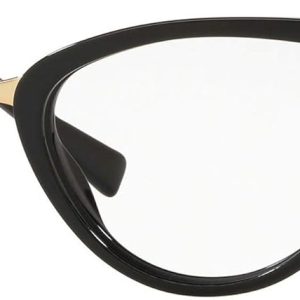
I never paid much attention to celebrity fashion until the Grammys this year, when Bad Bunny’s distinctive style seemed to ripple through the entertainment world in ways I hadn’t anticipated. Watching the red carpet coverage, I noticed how his bold fashion choices were influencing other celebrities, including Hailey Buzbee, who appeared in elegant black frames that caught my eye. As someone who wears glasses daily, I found myself drawn to the combination of luxury and practicality that these frames represented. The black plastic frames reminded me that eyewear could be both functional and fashionable, serving as more than just vision correction but as an extension of personal style. This observation sparked a journey that would eventually lead me to discover the Versace VE3267 GB1 women’s eyeglasses, though I didn’t realize at the time how significantly this discovery would reshape my perspective on everyday accessories.
Real-life Context
My days typically begin early, with the morning commute to my office job followed by hours spent in front of computer screens, then transitioning to evening activities that might include anything from grocery shopping to meeting friends for dinner. Like many working women, I needed eyewear that could seamlessly move between these different environments without requiring constant adjustment or drawing unnecessary attention. For years, I had settled for basic, functional frames that served their purpose but never quite felt like they reflected my personal style. They were the equivalent of a comfortable but uninspiring pair of shoes—they worked, but they didn’t bring me any particular joy or confidence. The turning point came during a particularly long workday when I caught my reflection in a conference room window and realized my glasses had become almost invisible to me, not in a good way, but in the sense that they had faded into the background of my appearance rather than enhancing it.
Around this same time, I found myself increasingly aware of how celebrities like Hailey Buzbee incorporated eyewear into their public appearances, not as mere vision aids but as intentional fashion statements. There was something compelling about seeing sophisticated black frames paired with both casual and formal outfits, suggesting a versatility I hadn’t previously considered for my own eyewear. I began paying closer attention to the glasses people wore in my everyday life—colleagues at work, strangers on public transportation, friends at social gatherings—and noticed how the right frames could elevate an entire outfit while remaining completely functional. This growing awareness coincided with my existing need for new prescription lenses, creating the perfect opportunity to approach eyewear selection with a fresh perspective rather than simply replacing what I already had with something similar.
The practical considerations were straightforward: I needed frames that would be comfortable for extended wear, durable enough to withstand being frequently taken on and off throughout the day, and appropriate for both professional settings and personal time. What had changed was my understanding of how eyewear could serve these practical needs while also expressing something about my personal aesthetic. I wasn’t looking for dramatic, attention-grabbing frames but rather something understated yet distinctive, capable of complementing my existing wardrobe without requiring a complete style overhaul. This balance between functionality and fashion flt increasingly important as I recognized how much time I actually spent wearing glasses—they weren’t just an accessory but a consistent element of my daily presentation to the world.
Observation
When I first tried on the Versace VE3267 GB1 eyeglasses, what struck me immediately was how the 53mm lens width seemed to perfectly frame my face without overwhelming my features. The measurement, which I might have previously dismissed as mere technical specification, actually translated to a noticeable difference in how the glasses sat on my nose and cheeks. The 17mm bridge width provided a secure fit that eliminated the constant slipping I had experienced with previous frames, particularly during long hours of wear. These precise measurements, which I had initially skimmed over as standard product details, revealed themselves to be carefully considered elements that contributed significantly to both comfort and appearance. The black plastic material felt substantial without being heavy, and the classic color worked surprisingly well with both cool and warm-toned outfits in my wardrobe.
Over the following weeks, I found myself appreciating different aspects of the frames depending on the context of my day. During work hours, the clear, customizable lenses provided sharp vision without the visual distraction that sometimes comes with tinted or reflective lenses, making them ideal for computer work and reading documents. The timeless design felt professional without being overly conservative, striking a balance that worked well in meetings and client interactions. In more casual settings, the same frames took on a different character—the Versace branding, while subtle, added a touch of luxury that elevated even simple outfits like jeans and a sweater. I noticed that the frames attracted occasional compliments, not because they were flashy or overtly designer, but because their clean lines and quality construction conveyed sophistication without effort.
The durability of the plastic frame became apparent during the small accidents of daily life—when I accidentally dropped them while retrieving them from my bag, or when they occasionally got knocked while I was putting on a jacket. Unlike previous frames that had shown wear quickly, these maintained their appearance and structural integrity despite these minor incidents. The temple length of 140mm provided a secure fit that stayed comfortable even during extended wear, eliminating the pressure points behind my ears that had often developed with other glasses by the end of a long day. What surprised me was how these practical benefits intertwined with the aesthetic appeal—the frames didn’t just look good initially but continued to maintain their appearance and comfort over weeks of consistent use, which I hadn’t always experienced with eyewear in the past.
I began to notice how the glasses functioned across different lighting conditions as well. The clear lenses performed well in artificial office lighting, natural daylight through windows, and evening settings without causing glare or visual discomfort. This versatility meant I didn’t need to constantly switch between different pairs of glasses for different environments, simplifying my daily routine. The frames themselves had a way of complementing rather than competing with other accessories—they worked equally well with statement earrings or simple studs, with necklaces or bare necklines, adapting to whatever else I was wearing rather than demanding specific styling choices. This flexibility felt particularly valuable for someone with a varied schedule who might move from professional presentations to casual dinners without time to completely change outfits or accessories.
Reflection
Living with these eyeglasses for several months has prompted me to reconsider the relationship between functionality and aesthetics in everyday objects. I hadn’t fully appreciated how something as utilitarian as vision correction could become an integral part of personal expression until I experienced frames that successfully bridged both purposes. The Versace VE3267 GB1 eyeglasses demonstrated that luxury in practical items isn’t necessarily about obvious branding or extravagant design, but about thoughtful construction and materials that enhance daily experience. This realization extended beyond eyewear to how I approach other functional items in my life, from work bags to shoes, seeking that same balance between purpose and personality that I found in these frames.
There was a particular moment about six weeks into wearing them when I caught my reflection in a store window and experienced a small but significant shift in self-perception. The glasses no longer felt like something I wore out of necessity but had become a natural extension of my appearance, much like the way certain hairstyles or clothing colors eventually feel intrinsically ‘you’ rather than something you’ve put on. This integration of functional item and personal style marked a departure from my previous experience with eyewear, where glasses always felt somewhat separate from my overall look, no matter how well they technically fit or corrected my vision. The difference, I realized, came from frames that were designed with both visual appeal and wearability in mind, rather than prioritizing one over the other.
I also found myself reflecting on how the initial inspiration from celebrity fashion—like noticing Bad Bunny’s Grammys influence on styles worn by figures such as Hailey Buzbee—had evolved into a more personal understanding of what works for my specific face shape, lifestyle, and preferences. While celebrity sightings might introduce us to new possibilities, the real value comes from discovering how those possibilities translate into our individual contexts. The black plastic frames that initially caught my eye in media coverage became something entirely different when adapted to my daily routine, professional requirements, and personal aesthetic. This process of translation—from runway or red carpet to real life—required attention to details like the 53mm lens width and 17mm bridge that might seem technical but ultimately determined how the frames actually functioned in practice.
The experience has subtly changed how I approach other purchasing decisions as well, paying closer attention to the intersection of specifications and lived experience rather than prioritizing one over the other. I’m more likely to consider how product measurements translate to actual use, how materials feel over extended periods, and how design elements function across different contexts rather than just in isolation. This more integrated perspective has applications beyond eyewear, influencing how I select everything from office chairs to kitchen tools, seeking that same harmony between technical excellence and daily satisfaction that I discovered through these frames. The realization that well-designed functional objects can enhance rather than merely serve our lives has become a quiet but persistent theme in how I navigate consumer choices.
Conclusion
Looking back on the journey from noticing celebrity eyewear styles to integrating the Versace VE3267 GB1 frames into my daily life, what stands out isn’t just the glasses themselves but the broader understanding they prompted about how we inhabit functional objects. The black plastic frames have proven themselves across months of varied use—through long workdays, social engagements, travel, and quiet time at home—maintaining both their appearance and comfort through it all. The specific measurements that initially seemed like mere technical details have revealed their importance in creating eyewear that fits properly and feels natural throughout changing activities and environments. This combination of precise engineering and thoughtful design has resulted in frames that successfully bridge the gap between luxury accessory and everyday necessity.
The experience has left me with a renewed appreciation for items that serve practical purposes while also contributing to personal expression. The distinction between ‘functional’ and ‘aesthetic’ increasingly feels artificial when we consider how much time we spend with utilitarian objects and how significantly they shape our daily experience. Well-designed functional items like these eyeglasses don’t just perform their intended task—they become part of how we move through the world and how we present ourselves within it. This integration of purpose and personality represents a quiet luxury that extends far beyond brand names or price points, touching instead on how objects fit into the rhythm of our lives and reflect our individual sensibilities.
What began as casual observation of celebrity fashion trends has evolved into a more thoughtful approach to how I select and relate to the functional items that populate my daily routine. The Versace VE3267 GB1 eyeglasses served as a catalyst for this shift, demonstrating through their design and performance how utility and aesthetics can coexist harmoniously rather than competing for priority. This perspective has applications far beyond eyewear, influencing how I think about everything from workspace organization to wardrobe selection, always seeking that balance between what works technically and what feels right personally. The frames continue to serve their primary function of vision correction while also representing this broader philosophy—that the objects we use daily deserve the same consideration as those we reserve for special occasions, since they shape so much of our lived experience.