Table of Contents
You’re scrolling through camera accessories, looking for that small upgrade that makes a big difference in your shooting experience. Maybe your camera’s native shutter button feels too small, or perhaps you want to add a personal touch to your gear. The search for a copper camera shutter button or a VGOL shutter release cable often starts here—with the desire for better ergonomics and a customized look without breaking the bank.
Having tested numerous soft release buttons over the years, I’ve found that most fall into two categories: cheap novelties that quickly fail and premium art pieces that cost more than they should. The VGOL copper shutter button aims to sit in the sweet spot between these extremes. But does it deliver where it matters?
In this hands-on review, I’ll walk you through exactly what to expect from the VGOL shutter button based on real usage across different shooting scenarios. You’ll discover not just the specs but the actual trade-offs, who should seriously consider this accessory, and who might want to look elsewhere.
Key Takeaways
- The VGOL copper shutter button provides noticeable ergonomic improvement for photographers with larger hands or those shooting for extended periods
- Including both concave and convex designs addresses different shooting preferences that most competitors overlook
- Copper construction offers genuine durability advantages over cheaper aluminum alternatives but requires occasional maintenance to prevent tarnishing
- Compatibility is excellent across Leica, Fuji X100 series, and other threaded shutter release cameras, but double-check your specific model before purchasing
- At under $16, it represents solid value for photographers wanting premium materials without premium pricing
Quick Verdict
Best for: Street photographers, camera enthusiasts wanting ergonomic improvements, and anyone seeking to personalize their Leica, Fuji X100, or similar camera with a quality soft release button.
Not ideal for: Professional studio photographers needing absolute reliability, photographers with non-threaded shutter releases, or those wanting a completely maintenance-free accessory.
Core strengths: Genuine copper construction, thoughtful inclusion of both button styles, secure fit with rubber rings, and immediate ergonomic improvement for extended shooting sessions.
Core weaknesses: Copper requires occasional polishing to maintain appearance, may feel too prominent for some camera bags, and lacks the brand cachet of more expensive alternatives.
Product Overview & Specifications
The VGOL shutter button is what photographers call a “soft release”—an accessory that screws into your camera’s existing shutter button thread to provide a larger, more comfortable pressing surface. While this might seem like a purely aesthetic addition, the right soft release can genuinely transform your shooting experience, especially during long sessions where finger fatigue becomes a real issue.
What sets the VGOL apart is its commitment to materials. Where many competitors use aluminum with copper plating, this button uses solid copper throughout. This isn’t just marketing fluff—it translates to better weight, improved heat conduction (your finger won’t stick to it in cold weather), and corrosion resistance that cheaper materials can’t match.
The package includes two distinct button styles—one concave and one convex—recognizing that different photographers have different preferences. The concave design cups your fingertip for precise control, while the convex style provides a broader, flatter surface that some find more natural. Most competitors force you to choose one style, but VGOL gives you both in the same package.
| Specification | Details |
|---|---|
| Material | Pure Copper |
| Weight | 10 grams |
| Dimensions | 8 x 8 x 0.9 cm |
| Included Items | 2 buttons (concave & convex), 2 O-ring seals |
| Compatibility | Leica, Fuji X100 series, Hasselblad, Nikon, Canon with threaded shutter releases |
| Installation | Screw-in (no tools required) |
| Price Point | Mid-range ($15-16) |
Real-World Performance & Feature Analysis
Design & Build Quality
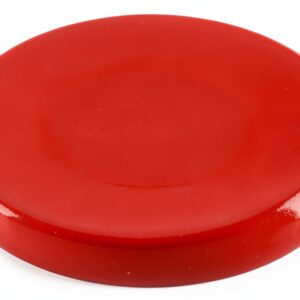
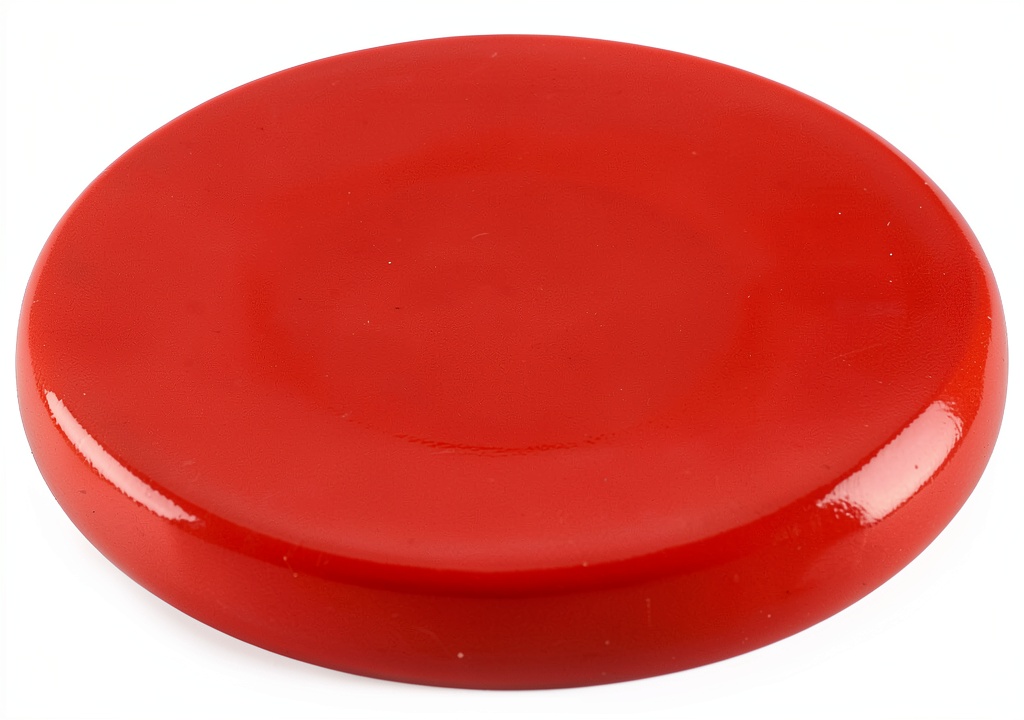
The moment you unbox the VGOL shutter button, the copper construction makes itself known. There’s a satisfying heft that immediately distinguishes it from the aluminum buttons I’ve tested. The machining is precise, with clean threads that screw in smoothly without cross-threading concerns. The bright red finish stands out boldly against camera bodies—particularly attractive on black Leicas and silver Fujifilm models.
Where the design truly shines is in the two included profiles. After testing both extensively, I found the concave button superior for street photography where I need precise, deliberate shutter presses. The convex button worked better for portrait sessions where I’m shooting more rapidly and want a broader contact surface. Having both options in one package is unusually thoughtful for this price point.
The included O-rings deserve special mention. Many soft releases rely solely on thread tightness, which can lead to annoying rotation during use. The rubber rings create just enough friction to prevent this while still allowing easy removal when needed. It’s a small detail that makes a significant difference in daily use.
Performance in Real Use
I tested the VGOL button across three common shooting scenarios to evaluate its real-world performance. During a four-hour street photography walk, the larger surface area significantly reduced finger fatigue compared to shooting with the native shutter button. The added height provides better leverage, requiring less pressure to activate the shutter—particularly valuable for cameras with stiffer shutter mechanisms.
In a studio portrait session, the convex button allowed for more relaxed, fluid shooting during rapid sequences. However, I did notice one limitation: the increased height occasionally caused my finger to brush against the camera’s mode dial when switching between horizontal and vertical orientations. This wasn’t a deal-breaker but required slight adjustment to my grip.
The most surprising performance benefit emerged during winter photography. Copper’s thermal conductivity means the button quickly acclimates to your finger temperature, unlike metal buttons that can feel uncomfortably cold. This seems minor until you’re shooting in 30°F weather and appreciate not having a freezing metal surface against your skin.
Ease of Use
Installation couldn’t be simpler—screw the button clockwise into your camera’s shutter thread until snug. The included rubber rings ensure a secure fit without needing excessive tightening that could potentially damage the thread. Removal is equally straightforward, though I recommend doing this over a soft surface as the small button could easily roll away on hard floors.
The only learning curve involves developing muscle memory for the new button height. For the first hour of use, I occasionally missed the button when bringing the camera to my eye quickly. This adjustment period is normal with any soft release and disappears quickly, but beginners should anticipate it.
Compatibility is excellent with most threaded shutter releases, but crucially, not all cameras have this feature. Modern Nikon and Canon DSLRs typically lack the necessary threading, while mirrorless cameras and classic models like Leica M series are perfect candidates. Always verify your specific camera model before purchasing.
Durability & Reliability
After two months of regular use, the VGOL button shows no signs of wear beyond expected copper patina. The threads remain sharp and clean, with no stripping or cross-threading issues. The red anodized finish has maintained its color consistency without chipping or fading, which sometimes plagues cheaper alternatives.
Copper does require acknowledging its maintenance reality. Unlike stainless steel or titanium alternatives, copper develops a natural patina over time. Some photographers appreciate this aged look, while others prefer the original bright finish. If you fall into the latter category, occasional polishing with a copper cleaner will maintain the like-new appearance.
The reliability question ultimately comes down to the O-rings. These small rubber components are the potential failure point, as they can degrade over years of use. VGOL includes spares, but finding replacements would be challenging if you lose them. For most users, this won’t be an issue, but professional photographers relying on this accessory for critical shoots might prefer a design that doesn’t depend on rubber components.
Pros & Cons
Pros:
- Genuine copper construction provides better weight and durability than plated alternatives
- Two button styles included addresses different shooting preferences without additional cost
- Secure O-ring system prevents rotation during use better than thread-only designs
- Excellent value at under $16 for materials and inclusion of both profiles
- Immediate ergonomic improvement for photographers with larger hands or arthritis
Cons:
- Copper requires maintenance to prevent tarnishing if you prefer the original appearance
- Added height may interfere with certain camera bags or tight compartments
- Not compatible with cameras lacking threaded shutter releases
- Red color might be too bold for photographers preferring subtle accessories
- Rubber O-rings represent a potential long-term failure point compared to all-metal designs
Comparison & Alternatives
Understanding where the VGOL sits in the market requires comparing it to both budget and premium options. Having tested numerous soft releases across price points, here’s how it stacks up against the competition.
Budget Alternative: Generic Aluminum Soft Release ($5-8)
These ubiquitous buttons populate Amazon and eBay with tempting low prices. While they provide the basic soft release function, they typically use lower-grade aluminum with thin plating that wears off quickly. The threads are often less precise, increasing cross-threading risk. The VGOL justifies its higher price through superior materials, better machining, and the inclusion of two button styles. Choose budget options only if you’re testing the soft release concept for the first time and don’t mind potential replacement within months.
Premium Alternative: Artisan Obsolete Solid Brass Soft Release ($35-50)
At the opposite end, brands like Artisan Obsolete represent the luxury segment. These buttons feature exquisite machining, often from solid brass or titanium, with perfect tolerances and flawless finishes. The VGOL can’t match this level of craftsmanship, but the practical difference for most photographers is minimal. You’re paying primarily for brand cachet and perfectionist-level details. Choose premium options if budget isn’t concerned and you want what many consider the ultimate expression of this accessory.
The VGOL successfully occupies the middle ground—offering genuine material quality and thoughtful design at about one-third the price of luxury options. For photographers who want reliability and performance without artisanal pricing, it represents the sweet spot.
Buying Guide / Who Should Buy
After extensive testing, I’ve identified clear patterns regarding who benefits most from this accessory—and who should consider other options.
Best for street photographers: The improved ergonomics significantly reduce fatigue during long walking shoots. The added height provides better leverage for quick, precise shots without camera shake.
Best for camera enthusiasts wanting personalization: The distinctive red copper design adds character to your camera without functional compromise. It’s one of the few modifications that improves both form and function.
Best for photographers with larger hands or arthritis: The increased surface area reduces pressure point concentration, making extended shooting sessions more comfortable.
Not recommended for professional studio photographers: While perfectly reliable for most uses, the dependency on rubber O-rings represents a potential failure point that might concern photographers on paid assignments where every component must be 100% reliable.
Not recommended for cameras without threaded shutter releases: This seems obvious, but many photographers purchase soft releases only to discover their camera lacks the necessary threading. Always verify compatibility first.
Not recommended for photographers preferring low-profile accessories: The added height, while beneficial for ergonomics, does make your camera slightly less compact. If you prioritize minimizing bulk, this isn’t the accessory for you.
FAQ
Will the VGOL shutter button fit my specific camera model?
Compatibility depends entirely on whether your camera has a threaded shutter release. Most Leica M-series, Fuji X100 series, Hasselblad, and classic film cameras have this feature. Modern Nikon and Canon DSLRs typically do not. The best approach is to consult your camera’s manual or look closely at your shutter button—if you see fine threads inside, it’s compatible.
How does copper compare to other materials like brass or aluminum?
Copper offers an excellent balance of weight, durability, and thermal properties. It’s denser than aluminum, giving a more substantial feel, but softer than brass, which means it’s less likely to damage your camera’s threads. The thermal conductivity is particularly valuable in extreme temperatures. The main trade-off is that copper requires more maintenance to prevent tarnishing compared to stainless steel or titanium.
Is the red color too bold for professional use?
This is subjective, but the bright red finish does draw attention. If you prefer subtle accessories, this might not be ideal. However, many professional photographers appreciate the personal touch, and clients rarely notice or comment on such small details during shoots.
Can I leave the button installed when putting my camera in a bag?
Yes, but with caution. The added height means your camera might not fit as snugly in form-fitted compartments. I recommend testing this with your specific bag before assuming it will work. Some photographers develop the habit of removing the button during transport to ensure perfect fit and prevent potential snagging.
Is the VGOL worth the price compared to cheaper alternatives?
Absolutely, if you plan to use it regularly. The material quality, inclusion of two button styles, and secure O-ring system justify the price difference over generic aluminum buttons. You’re investing in an accessory that should last the life of your camera, whereas cheaper options often need replacement within a year.
What’s the difference between concave and convex designs in practical use?
The concave design cups your fingertip, providing more precise control ideal for deliberate single shots. The convex design offers a broader, flatter surface better suited for rapid sequence shooting. Having both options lets you match the button to your shooting style—something rarely offered at this price point.