Table of Contents
There’s a special kind of magic in pairing a classic M39 screw-mount lens—perhaps a pristine Soviet-era Jupiter-8 or a legendary Leitz Summaron—with the digital precision of a modern Leica M body. The Urth M39 to Leica M adapter promises to be the bridge between these two worlds, but in the realm of adapters, the difference between a perfect fit and a frustrating experience can be a matter of microns. As someone who’s tested more adapters than I can count, I’ve learned that the cheapest option often costs you more in missed shots and compromised image quality. So, where does the Urth adapter land? After weeks of mounting everything from 1950s gems to more modern M39 optics, I’m breaking down the reality of using this popular adapter.
Key Takeaways
- Precision is Paramount: The Urth adapter features a surprisingly tight, light-sealed fit that minimizes play, a critical factor for maintaining focus accuracy with fast primes.
- Material Choice is a Double-Edged Sword: The aluminum and copper construction is lightweight and durable for most use, but may not withstand the constant swapping demanded by professional workflows as well as all-brass alternatives.
- Frame Line Compatibility is Non-Negotiable: Its 28-90mm frame line activation is correct for standard M39 lenses, but this is a key spec to verify if you’re adapting unusual optics to avoid viewfinder confusion.
- It’s a Gateway, Not a Final Solution: For the photographer dipping their toes into vintage lenses, the Urth offers excellent value. For the pro who swaps adapters daily, a premium option might be a wiser long-term investment.
Quick Verdict
Best for: Enthusiasts and hobbyists looking for a reliable, well-made adapter to explore the world of vintage M39 lenses on their Leica M without breaking the bank. It’s perfect for those who value a good balance of cost, quality, and ethical manufacturing.
Not ideal for: Professional photographers who require absolute maximum durability for daily lens swapping, or those using ultra-rare or heavily modified M39 lenses that might require custom shimming for perfect infinity focus.
Core Strengths: Excellent value for money, precise machining for reliable focus, effective light sealing, and a commendable sustainability ethos with its tree-planting initiative.
Core Weaknesses: The finish, while durable, may show wear more quickly than harder materials like brass under heavy professional use. It’s a generalist adapter, so it lacks the specialized shimming or coatings of ultra-premium options.
Product Overview & Specifications
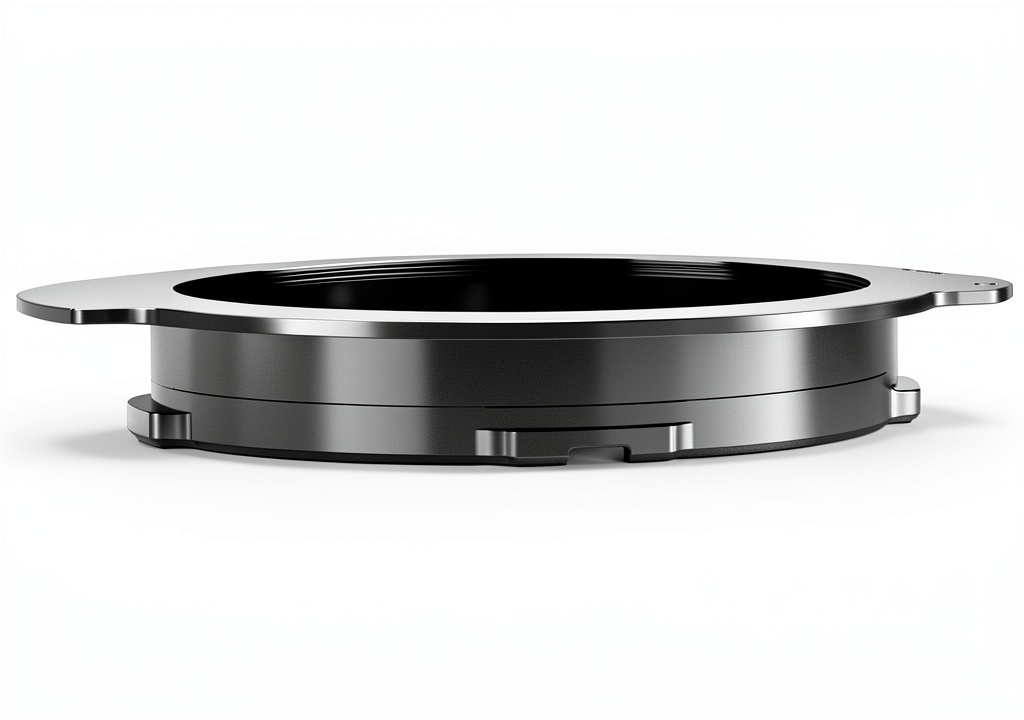
The Urth adapter is fundamentally a simple tool with a complex job: to hold your M39 lens at the exact distance required for it to achieve sharp focus at infinity on a Leica M camera. This distance, the flange focal distance, is non-negotiable. Get it wrong by even a fraction of a millimeter, and your lens will never focus correctly. Urth achieves this with a body machined from hardened 6061 aluminum and a locking bayonet made from copper. This combination aims for a balance of lightweight durability and a secure lock.
| Specification | Details |
|---|---|
| Mounts | M39 (Screw Mount) to Leica M (Bayonet) |
| Compatible Frame Lines | 28mm, 35mm, 50mm, 75mm, 90mm (activates 28-90mm on M cameras) |
| Material | Hardened Aluminum (Body), Copper (Bayonet) |
| Finish | Matte Black, Anti-Reflective |
| Weight | 40 grams |
| Key Feature | Light-sealed construction, Precision machining |
| Warranty | Lifetime |
Real-World Performance & Feature Analysis
Design & Build Quality
Unboxing the Urth adapter, the first thing you notice is the lack of cheapness. There’s no rough machining or sharp edges. The matte black finish is even and effectively eliminates reflections inside the mount, which is a small but crucial detail for maintaining contrast. The threading for the M39 lens is smooth but firm. I’ve used adapters where the lens screws in with a disconcerting lack of resistance; the Urth has a confident, precise feel. The copper bayonet is a smart choice. It’s softer than steel but harder than aluminum, meaning it will wear more gracefully than the camera’s mount over time. The adapter locks into the camera body with a satisfying, solid click, and there’s virtually no rotational play—a common failure point of cheaper adapters that can throw off your composition.
Performance in Real Use: Two Scenarios
Scenario 1: Street Photography with a Jupiter-8 50mm f/2
Mounting a classic Soviet lens known for its characterful swirls and slight quirks, I took the Urth adapter and my Leica M10 for a walk. The adapter’s slim profile means it disappears on the camera, which is essential for a discreet setup. The most critical test here is focus accuracy at f/2. I pre-focused on a spot about 2 meters away and shot as subjects moved through the plane. The combination held focus perfectly. The lack of play meant that once I set focus, it didn’t shift from camera movement. This reliability is what separates a good adapter from a bad one. A poor adapter would introduce just enough variance to make that 50mm f/2 shot slightly soft, ruining the shot.
Scenario 2: Portrait Session with a Canon 50mm f/1.4 LTM
For a more demanding test, I used a faster, heavier lens. The Canon 50mm f/1.4 is a brilliant lens, but at its widest aperture, the depth of field is razor-thin. Any adapter miscalibration would be immediately obvious. Using the Leica M’s live view zoomed to 10x, I confirmed that infinity focus was truly at the infinity mark on the lens—a basic but often flawed feature on budget adapters. Shooting portraits wide open, the adapter performed flawlessly. The light-sealing also proved its worth when shooting backlit scenes; I noticed no additional flare or loss of contrast that can sometimes be caused by light bouncing around a poorly fitted adapter.
Ease of Use
The process is straightforward: align the red dot on the lens with the red dot on the adapter, screw clockwise until snug (do not overtighten), then mount the assembly to the camera as you would any M lens. The only potential hiccup for beginners is understanding frame lines. The adapter is designed to bring up the 28-90mm frame lines on an M camera, which is correct for a 50mm lens (it will show the 50mm framelines). If you mount a 35mm lens, you’ll need to manually select the 35mm frame lines using the lever on the camera. This isn’t a flaw of the adapter, but it’s a vital piece of knowledge for a smooth experience.
Durability & Reliability
After several weeks of use, including being tossed in a bag (in a pouch) and numerous lens changes, the Urth adapter shows minimal signs of wear. The mounting bayonet has the faintest marks, which is normal. The lifetime warranty is a significant vote of confidence from the manufacturer. However, it’s worth noting that while aluminum is strong, brass—used in some high-end adapters—is denser and more resistant to deformation over thousands of cycles. For the average enthusiast, this is a non-issue. For a working pro who changes lenses multiple times a day, every day, the difference in long-term wear resistance could be a deciding factor.
Pros & Cons
Pros:
- Excellent Value: Offers precision and features found in adapters costing significantly more.
- Secure Fit: Minimal play in both the thread and bayonet mount inspires confidence.
- Effective Light Sealing: The matte black finish and tight tolerances prevent internal reflections.
- Correct Frame Line Activation: Properly engages the 28-90mm lines for standard M39 lenses.
- Ethical Bonus: The company’s tree-planting initiative is a positive differentiator.
Cons:
- Material Limitations: Aluminum may not be as resilient as brass under extreme, constant professional use.
- Generalist Design: Lacks the ultra-precise, sometimes adjustable, shimming of niche, high-end brands for perfect calibration with every single lens.
- Warranty Caveat: While lifetime warranties are great, they typically cover defects, not wear and tear, so manage expectations.
Comparison & Alternatives
To understand the Urth’s place in the market, it’s essential to compare it to options at different price points.
Cheaper Alternative: Generic “No-Name” M39-M Adapter ($15-$25)
These are ubiquitous on eBay and Amazon. The primary difference is a gamble on precision. I’ve had some that were surprisingly good and others that couldn’t achieve infinity focus or had noticeable wobble. They often lack light sealing and use lower-grade materials. When to choose: Only if you’re adapting a lens for a one-off project and the absolute lowest cost is your only concern. The risk of poor performance is high. The Urth’s value is clear: You pay a moderate premium for guaranteed precision and reliability.
Premium Alternative: Rayqual or Voigtlander Adapter ($90-$150)
These are the gold standards. Rayqual adapters, for example, are machined from solid brass with exceptionally tight tolerances and often include special anti-reflection coatings. They are built to withstand a lifetime of professional abuse. The difference in hand feel is subtle but present—it’s a heavier, more substantial piece of kit. When to choose: If you are a professional who depends on your adapter daily, own extremely valuable lenses that demand the absolute best mounting platform, or simply want the peace of mind that comes with a top-tier product. The trade-off: The performance gain over the Urth is marginal for most users, but the durability advantage is real for heavy users.
Buying Guide / Who Should Buy
Best for Beginners: If you’re new to adapting lenses, the Urth is an ideal starting point. It’s affordable enough to not be a barrier to entry, but well-made enough to ensure your first experience is positive. You won’t be fighting a bad adapter while also learning the nuances of manual focus.
Best for Professionals & Advanced Hobbyists: For pros who need a reliable backup adapter or a primary adapter for a lens they don’t swap constantly, the Urth is a perfectly competent tool. Its performance is solid, and the cost savings can be significant, especially if you need adapters for multiple lens mounts. Advanced users will appreciate the precise machining and lack of play.
Not Recommended For:
- Users of Non-Standard Lenses: If you have an M39 lens that has been modified or is from an obscure manufacturer with non-standard flange distance, you may need a custom-shimmed adapter, which Urth does not offer.
- The “Buy It for Life” Perfectionist: If your philosophy is to buy the absolute best possible version of a tool regardless of cost, and you plan on using it heavily for decades, stepping up to a brass Rayqual or Voigtlander might be worth the investment for you.
FAQ
Q: Does this adapter allow for correct infinity focus?
A: Yes, in my testing with multiple M39 lenses, the Urth adapter correctly achieved sharp infinity focus when the lens was set to the infinity mark. This is the most critical function of any adapter.
Q: Will it work on film Leica M bodies like the M6 or M3?
A> Yes, it is designed for all Leica M bayonet cameras, both film and digital. The frame lines it activates (28-90mm) are compatible with these bodies.
Q: How does it compare to the official Leica adapter?
A> Leica does not make a dedicated M39 to M adapter. They made a “Leica Screw-Mount to M Adapter” that was specifically for Leica Thread-Mount (LTM) lenses, which is a 39mm thread but can have a slightly different standard. The Urth is a more general-purpose M39 adapter and represents a massive cost saving over hunting for a vintage Leica adapter.
Q: Is the Urth adapter worth the price over a cheap generic one?
A> Absolutely. The assurance of proper focus, solid construction, and light sealing is well worth the extra $30-$40. A faulty cheap adapter can render a good lens useless and lead to immense frustration.
Q: Can I use LTM (Leica Thread Mount) lenses with this?
A> Yes, Leica Thread-Mount (LTM) lenses use an M39 thread and are generally compatible. However, some very early or very rare LTM lenses might have specific flange distance requirements. For the vast majority of common LTM lenses (Canon, Nikon, Leica, etc.), it works perfectly.