Introduction
I never gave much thought to sunglasses beyond their basic function until recently, when attending both TCU basketball and Siena basketball games back-to-back weekends. The afternoon sun streaming through the arena windows created that familiar squinting discomfort I’d always accepted as part of the sports-watching experience. It was during these games that I began noticing not just the play on the court, but how people around me were handling the lighting conditions—and how the right eyewear seemed to make a difference beyond mere sun protection.
There’s something about basketball games that creates these moments of observation between the action. The timeouts, the halftime breaks, the moments when your attention drifts from the court to the surroundings. It was in these pockets of time that I started paying attention to the practical accessories people chose and how they integrated into the game day experience. The TCU basketball atmosphere in Fort Worth contrasted with the Siena basketball environment in Albany, yet the sunlight challenge remained consistent across both venues.
What struck me initially was how many people seemed prepared for the lighting conditions while I found myself constantly adjusting my position to avoid the glare. The afternoon games in particular created these sharp angles of sunlight that would catch the court at certain times, making it difficult to follow the ball during fast breaks. I’d always considered sunglasses as primarily for outdoor activities, but here they were serving a very specific indoor-outdoor hybrid purpose that I hadn’t fully appreciated before.
Real-life Context
The first game was TCU basketball at Schollmaier Arena, where the large windows along one side of the venue allow natural light to flood certain sections during day games. I was sitting in the lower bowl, and around the third quarter, the sun positioned itself perfectly to create a glare zone across about ten rows of seats. What fascinated me was watching how different people responded—some squinted, some used programs to shield their eyes, and others simply put on sunglasses and continued watching comfortably.
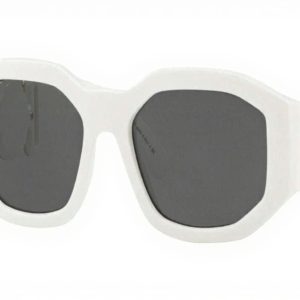
There was a particular couple sitting a few rows ahead who seemed completely unbothered by the changing light conditions. The woman was wearing white framed sunglasses that stood out against the purple TCU colors around us. They weren’t flashy or attention-seeking, but they had a clean, modern look that worked well in the casual yet energetic game environment. I noticed she kept them on through most of the second half, only occasionally taking them off during timeouts when the arena lights changed.
The following weekend brought me to the Siena basketball game at MVP Arena in Albany, where similar lighting conditions occurred despite the different venue architecture. Here, the sunlight came through the entrance glass areas rather than side windows, creating patches of brightness that shifted as the game progressed. Again, I observed several people with sunglasses, and again I noticed how the white frames seemed to work particularly well in the sports setting—they didn’t clash with team colors and maintained a neutral presence.
Between these two basketball experiences, I started paying closer attention to how sunglasses functioned beyond their obvious purpose. They became less about fashion statements and more about practical game-day equipment. The people wearing them seemed to maintain better focus during play, didn’t need to constantly shield their eyes, and generally appeared more comfortable throughout the entire experience. It was a small detail, but in the context of a three-hour basketball game, small comforts accumulate.
Observation
What became clear through these observations was that the right sunglasses do more than just block sun—they create a consistent viewing experience. At the TCU basketball game, I watched how the woman with the white frames never missed a beat during the critical fourth-quarter rally because she didn’t have to constantly adjust to the changing light conditions. Her attention remained fixed on the court while others around her were dealing with the glare as TCU made their comeback attempt.
The physical aspects of the sunglasses I observed started to make more sense in this context. The grey lenses provided enough darkness to handle the bright patches without making the indoor areas too dark to see clearly. This balance seemed crucial—sunglasses that were too dark would have been problematic when looking away from the sunny areas toward the normally lit sections of the arena. The grey tone appeared to offer just enough protection without compromising visibility in mixed lighting conditions.
I also noticed how the frame size mattered in this setting. The 53-millimeter lens width provided adequate coverage without being overwhelming or creating tunnel vision. People could still see the entire court and their surroundings while maintaining eye protection. The templ arms long enough to stay secure during the natural head movements that come with watching fast-paced basketball action—looking up at the jumbotron, turning to celebrate with neighbors, or following a fast break down the court.
The unisex design aspect became apparent too, as I saw both men and women wearing similar styles comfortably. At the Siena basketball game, a man sitting a few sections over had sunglasses that shared the same clean white frame design, and they looked equally appropriate in the sports context. The simplicity of the color scheme meant they didn’t compete with team colors or outfits—they just worked as functional accessories that blended into the game day experience rather than standing out awkwardly.
Comfort over extended periods emerged as another important factor. Basketball games last several hours, and anything that causes discomfort becomes increasingly noticeable as time passes. The plastic frame construction appeared to provide that all-day wearability without creating pressure points during long sitting periods. I noticed people who kept their sunglasses on for hours without constantly adjusting or removing them, which suggested the fit and weight distribution worked well for extended wear.
Reflection
I didn’t realize at the time that these observations would shift my perspective on what makes practical accessories truly functional in specific contexts. The TCU basketball and Siena basketball experiences highlighted how we often underestimate the importance of small, well-considered details in our daily choices. The right sunglasses weren’t just about sun protection—they were about maintaining consistent visual comfort during an activity where visual tracking is essential to the experience.
This realization made me think about how we often prioritize obvious features while overlooking how those features actually function in real scenarios. UV protection is important, of course, but in the basketball arena context, it was the balance between darkness and clarity that really mattered. The grey plastic lenses provided that middle ground—enough protection from glare without sacrificing the ability to see clearly in the arena’s variable lighting conditions.
The durability aspect took on new meaning too. Sports environments can be unpredictable—accidental bumps, quick movements, storing in bags with other items. Knowing the frames and lenses could withstand typical game-day handling without special care made them more practical for regular use. This wasn’t delicate fashion eyewear that needed constant attention—it was functional equipment that could handle the casual nature of sporting events.
What struck me most was how the unisex design actually enhanced the practicality. In group settings like basketball games, where you might be with friends or family of different genders, having accessories that work universally simplifies things. The white color scheme proved versatile enough to complement various outfits and team colors without clashing. This universality meant they could become go-to game day accessories rather than situation-specific items.
Reflecting on these observations weeks later, I appreciate how sometimes the most practical solutions emerge from paying attention to how people actually use things rather than how they’re marketed. The basketball games provided this natural laboratory where I could see functional accessories in their intended environment, performing their intended purpose alongside their secondary benefits. The sunglasses worked because they addressed multiple needs simultaneously without calling attention to themselves.
Conclusion
Those back-to-back basketball weekends taught me more about practical accessories than I expected to learn. The TCU basketball game and Siena basketball experience became these unexpected case studies in how the right equipment can enhance rather than distract from the main event. The sunglasses I observed weren’t the stars of the show—they were supporting players that made the overall experience smoother and more comfortable.
The balance between style and function became clearer through these observations. The white frames with grey lenses worked because they didn’t try to do too much—they provided reliable eye protection with a clean, versatile look that fit the casual energy of college basketball games. They complemented rather than competed with the team colors and game day atmosphere, which is probably why they seemed to work so well in both the Fort Worth and Albany settings.
What stays with me is how these small practical choices accumulate throughout an experience. Not having to squint during crucial plays, not needing to constantly adjust to changing light conditions, not worrying about comfort over several hours—these small comforts add up to a more focused and enjoyable game day. The right accessories become almost invisible in their functionality, which is perhaps the highest compliment for practical items.
I’ve come to appreciate how observing everyday choices in real contexts can reveal insights that specifications alone cannot capture. The basketball games provided this natural environment where function met context, and the results were telling. The sunglasses worked because they understood their role—to protect and enhance without demanding attention, to provide comfort without complication, to serve a practical purpose while maintaining aesthetic harmony with their surroundings.
Sometimes the most meaningful discoveries come from paying attention to the small things during big moments. The basketball games were ultimately about the sport and the community, but they also became these unexpected lessons in how thoughtful design functions in real life. The right choices often reveal themselves not through their features but through their seamless integration into our experiences, becoming quiet supporters rather than loud statements.


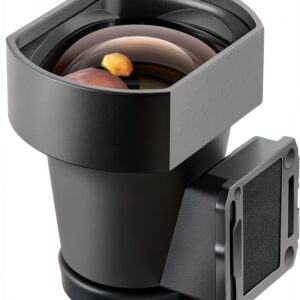 TTArtisan 35mm Viewfinder Compact Aluminum Camera Accessory
  Fire Resistant Cables World Outlook 2027 2032 ICON Group
  Commercial Gas Utilities Outlook 2027-2032 ICON Group
  Animal Healthcare Feed Additives 2027-2032 World Outlook
  Animal Therapeutics Diagnostics Market Report 2027-2032 ICON
 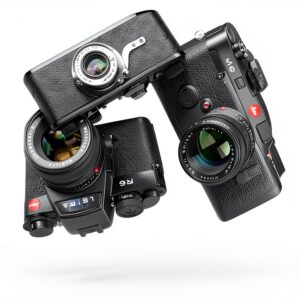 Photo Data Research English Book 1991 Publication 590g