Introduction
It started as one of those ordinary evenings when I found myself scrolling through my phone, checking two completely unrelated things: whether Steph Curry was playing in tonight’s game and when the next full moon would appear. This strange combination of digital searches—sports shedules and celestial events—somehow led me to think about visibility, both literally and metaphorically. I realized how much of our daily experience revolves around what we see and how we see it, which brought me to consider the role that something as simple as eyewear plays in shaping our perspective on the world around us.
In the midst of tracking basketball games and lunar cycles, I began noticing how different lighting conditions affect not just what we see but how we feel about our surroundings. The bright glare of a stadium during a night game, the soft glow of moonlight during an evening walk—each requires a different kind of visual adjustment. This awareness made me more conscious of the practical tools we use to navigate various environments, particularly when it comes to protecting our eyes while maintaining a sense of personal style.
What surprised me was how these seemingly disconnected thoughts about sports, astronomy, and daily life converged around the concept of eyewear. The way we choose to shield our eyes says something about how we approach different situations, whether we’re watching a game under bright lights or enjoying a moonlit evening. This realization prompted me to look more carefully at the sunglasses I’d been using and consider how they fit into the broader context of my daily routines and visual experiences.
Real-life Context
My typical day involves a mix of indoor and outdoor activities that constantly shift my visual needs. Mornings often include checking various schedules and planning around weather conditions, while afternoons might find me running errands or taking short walks. The transition between different lighting environments became something I started paying more attention to, especially after that evening of checking on Steph Curry’s game status and the lunar calendar. I noticed how frequently I reached for sunglasses, not just for sun protection but as a way to manage how I experienced different spaces and moments.
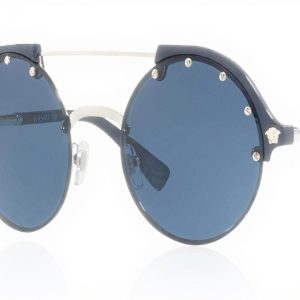
The specific pair I found myself using most often were these blue metal frame sunglasses that had become my go-to for daily wear. Their 53 millimeter lens width provided coverage that felt substantial without being overwhelming, making them suitable for everything from quick trips to the store to longer periods spent outdoors. The metal frame had a certain weight to it that felt secure without being heavy, and the blue color seemed to work with most of what I wore, whether I was dressed casually or needed something that looked a bit more polished.
What stood out was how these sunglasses fit into the rhythm of checking various daily details—from game schedules to weather forecasts to planning evening activities around natural light conditions. They became part of the toolkit I used to navigate between different environments, much like checking my phone for information about upcoming events. The connection between managing visual information and managing visual comfort started to feel more significant than I’d previously considered.
Using them during different parts of the day revealed how their design accommodated various scenarios. The bridge width of 20 millimeters and temple length of 140 millimeters meant they stayed comfortably in place whether I was quickly glancing at my phone or spending extended time outside. This practical aspect of their fit became especially noticeable during those moments when I needed reliable eyewear that wouldn’t require constant adjustment while I was multitasking or moving between activities.
Observation
Over several weeks of regular use, I began noticing specific patterns in how these sunglasses functioned within my daily routine. The plastic lenses with their blue tint created a consistent visual experience across different lighting conditions, whether I was dealing with the harsh midday sun or the softer light of late afternoon. This consistency became particularly valuable during transitions between indoor and outdoor spaces, as the lenses provided protection without dramatically altering how colors appeared in my environment.
The durability of the metal frame became apparent through small moments—when they slipped from my hands onto a table, or when I absentmindedly placed them in a bag with other items. They maintained their shape and appearance despite these minor incidents, which suggested a construction that could withstand the wear and tear of regular use. This reliability started to feel like an important quality, especially for something I used frequently and often handled casually throughout the day.
I observed how the sunglasses worked within different social contexts too. Their design seemed to strike a balance between being noticeable enough to feel like a deliberate style choice while remaining subtle enough not to dominate an outfit. This made them suitable for various occasions, from casual meetups with friends to more formal situations where I wanted my accessories to complement rather than overpower my overall appearance. The blue color particularly stood out as versatile, working with different clothing colors and styles without clashing.
What became increasingly clear was how these practical considerations—the fit, the lens coverage, the frame durability—contributed to a sense of ease in my daily movements. Not having to constantly adjust them or worry about their condition allowed me to focus more on whatever I was doing, whether that involved checking schedules on my phone, observing my surroundings, or engaging in conversations. The sunglasses became less of an accessory I actively thought about and more of an integrated part of how I moved through different environments.
Reflection
I didn’t realize at the time that this would be so important, but the way these sunglasses fit into my life started to reveal something about how we choose the tools we use daily. The connection between something as specific as checking whether Steph Curry was playing tonight and the next full moon’s timing, and something as practical as eyewear, highlighted how our daily rituals and practical needs often intersect in unexpected ways. The sunglasses became part of how I prepared for different visual experiences, much like checking schedules helped me prepare for different events.
This reflection made me consider how we evaluate the items we use regularly. The measurements—the 53mm lens width, 20mm bridge, 140mm temple length—stopped being just specifications and started representing actual comfort and functionality in use. The way these dimensions translated to all-day wear without discomfort became something I appreciated more deeply once I recognized how they supported rather than interrupted my daily activities. This practical reliability started to feel like a form of quiet luxury, where the value came from consistent performance rather than dramatic features.
Thinking about the blue metal frame and plastic lenses in the context of my various outings—beach visits, drives, casual walks—I began to understand how material choices contribute to both aesthetics and function. The metal provided structure and durability while the plastic lenses offered clarity and protection, creating a balance that worked across different scenarios. This balance between different material properties started to seem symbolic of how we often seek equilibrium in our daily tools—something that performs well without drawing excessive attention to itself.
What emerged from these reflections was a deeper appreciation for how well-designed everyday items can subtly enhance our experiences without demanding constant attention. The sunglasses supported my activities rather than directing them, providing protection and style in a way that felt integrated rather than additional. This integration started to feel like the mark of thoughtful design—something that understands and accommodates the flow of daily life rather than trying to reshape it.
Conclusion
Looking back on that evening when I first connected thoughts about basketball schedules, lunar cycles, and eyewear, I see how seemingly unrelated elements of our lives often share common threads. The need for clear vision—whether checking game stats on a screen or enjoying natural light outdoors—remains constant, and the tools we choose to support that vision become part of how we navigate our days. The blue metal frame sunglasses I’ve been using represent one such tool, their practical features blending into the background of daily use while consistently performing their intended function.
The experience of using them across different scenarios—from bright sunny days to varied social situations—reinforced how valuable reliable accessories can be in maintaining comfort and confidence throughout changing environments. Their measurements and materials, which initially seemed like technical details, revealed their importance through sustained use, demonstrating how specifications translate to real-world performance. This translation from product features to lived experience became the most meaningful aspect of using them regularly.
What stays with me is the understanding that our daily tools, whether for checking information or protecting our eyes, work best when they support rather than complicate our routines. The integration of style and function in these sunglasses created a seamless experience that accommodated rather than interrupted my activities, much like reliable information about upcoming games or celestial events helps rather than hinders planning. This harmony between practical needs and aesthetic considerations feels like something worth seeking in the items we choose to incorporate into our daily lives.
Ultimately, the connection between checking on Steph Curry’s game status, anticipating the next full moon, and choosing daily eyewear reminds me how our various concerns and activities often share underlying themes of preparation, protection, and perspective. The right tools, whether for gathering information or managing visual experiences, help us engage more fully with whatever moments we encounter, from sports events to moonlit walks and everything in between.
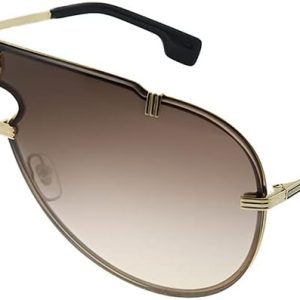 Versace Men's Sunglasses Brown Gradient Lens Metal Frame
 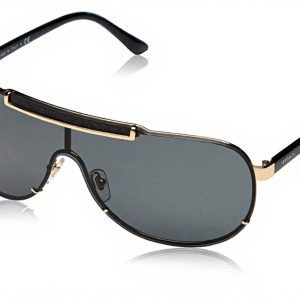 Versace Gold Grey Sunglasses Unisex Luxury Eyewear VE2140