Introduction
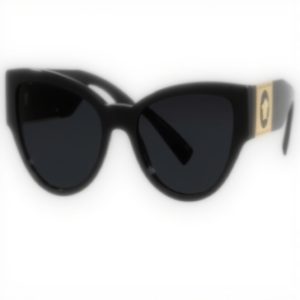
It started with an email about updated data privacy regulations at work. As I read through the new compliance requirements, something shifted in how I viewed my daily choices. The document explained how our personal information needed protection from unauthorized access, and I found myself thinking about protection in broader terms. That afternoon, walking to my car, I put on my Versace VE4398 sunglasses and noticed how they created a small, private space around my eyes. The dark grey lenses didn’t just filter sunlight – they filtered the world’s gaze. This simple act of wearing sunglasses suddenly felt different, more intentional. The connection between digital privacy and physical privacy hadn’t occurred to me before, but once I noticed it, I couldn’t unsee it.
Real-life Context
My morning commute takes me through busy city streets where cameras monitor intersections and storefronts record foot traffic. I’ve always been aware of surveillance in an abstract way, but the data privacy regulations briefing made it concrete. That particular week, I had several outdoor meetings where I needed to look professional while moving between locations. The Versace sunglasses became my constant companion. Their black plastic frame felt substantial without being heavy, and the 55mm lenses provided enough coverage that I didn’t have to constantly adjust them when I looked down at my phone or up at street signs. The temples measured 140 millimeters, which meant they stayed securely in place whether I was walking quickly to make a meeting or standing still waiting for a crosswalk signal. I appreciated how the bridge width of 19 millimeters distributed the weight evenly across my nose.
During lunch breaks, I often sat in a park near my office. People would pass by with their dogs, children played on the grass, and the sunlight filtered through the trees. I’d push the sunglasses up on my head when reading documents, then pull them down when the glare off nearby windows became distracting. The plastic construction meant I didn’t worry about them getting damaged in my bag alongside my laptop and notebooks. What struck me was how the sunglasses functioned in these different environments – they weren’t just for bright beach days or driving, but for navigating the semi-public spaces of urban life where privacy feels increasingly scarce.
One afternoon, I met a friend for coffee at an outdoor patio. We discussed the new workplace policies around data handling, and I mentioned my sunglasses observation. She laughed and said she’d never thought about eyewear that way, but then she mentioned how she always wore hats in photos for social media. We started comparing notes about the small choices we make to maintain some boundary between our personal space and the public world. The conversation meandered from digital footprints to physical presence, and I found myself appreciating how the Versace sunglasses served both practical and psychological purposes throughout my day.
Observation
Over the following weeks, I became more attentive to how I used the sunglasses in different situations. On crowded public transportation, I noticed how the dark grey lenses allowed me to observe my surroundings without making direct eye contact with strangers. During video calls from sunny outdoor locations, the UV protection meant I could position myself optimally without squinting at the screen. The 100% UV protection specification took on new meaning – it wasn’t just about blocking harmful rays, but about creating a consistent visual environment regardless of where I was working.
The timeless black color proved surprisingly versatile. It complemented my professional wardrobe during work hours but also looked appropriate with casual weekend outfits. I didn’t realize how often I reached for them until one morning when I couldn’t find them before leaving home. That day felt different – more exposed, somehow. The absence of that small barrier between my eyes and the world made me hyper-aware of security cameras, reflective surfaces, and even casual observers on the street. It was an uncomfortable feeling, one I hadn’t anticipated when I first purchased the sunglasses primarily for their aesthetic appeal.
I began noticing similar patterns in how other people used their accessories. A colleague always wore a particular scarf that she could pull up over her face in windy conditions. Another friend had a specific brand of headphones that created what he called an ‘audio privacy bubble’ in open-plan offices. These weren’t paranoid behaviors, but thoughtful adaptations to modern living. The Versace sunglasses, with their reliable performance and comfortable fit, had become my version of this – a tool for managing visibility in increasingly transparent environments.
What surprised me most was how the sunglasses functioned during transitional moments. Moving from bright outdoor spaces into dimmer indoor areas, I’d often keep them on for a few extra seconds while my eyes adjusted. During those moments, I had a brief window where the world appeared slightly darker, slightly more distant. It reminded me of the privacy screens some people use on their laptops in public spaces – not complete isolation, but enough filtering to feel more secure. The plastic frame, which I’d initially chosen for its durability and lightweight feel, now represented something more substantive about creating personal boundaries.
Reflection
I didn’t realize at the time that this would be so important, but the convergence of learning about data privacy regulations and wearing these specific sunglasses created a lasting shift in my perspective. The regulations emphasized that protection isn’t about hiding, but about controlling access – deciding what information you share and with whom. My sunglasses provided a physical manifestation of that principle. They didn’t make me invisible, but they gave me agency over when and how I made eye contact, when I wanted to observe without being observed, when I needed a moment of visual quiet in stimulating environments.
The ergonomic fit became more significant as I reflected on this. The 55mm lenses provided ample coverage without feeling overwhelming on my face, creating that balance between protection and connection that the privacy regulations documentation had described in digital terms. I thought about how the sunglasses were designed specifically for women, with dimensions suited to various face shapes, and how that intentional design mirrored the personalized approach that modern privacy frameworks advocate. Protection shouldn’t be one-size-fits-all, whether we’re talking about data or eyewear.
There was something about the quality of the materials that contributed to this reflection. The durable plastic construction meant I didn’t worry about the sunglasses failing when I needed them most. They’d become reliable tools, not just fashion accessories. This reliability translated into a sense of consistency – I knew what to expect from them in different lighting conditions, just as clear privacy guidelines create predictable boundaries in digital interactions. The sunglasses had transitioned in my mind from being about style to being about function, and then from function to being about personal agency.
I thought about luxury brands differently after this experience. The Versace name had initially attracted me because of its association with quality and design, but I came to appreciate how those qualities supported the sunglasses’ functional role in my daily life. The attention to detail in the construction, the careful consideration of proportions, the reliable performance – these weren’t just marketing points but practical benefits that enhanced my ability to move comfortably through spaces where privacy feels increasingly precious. The price point, which I’d initially questioned, now seemed justified by how integral the sunglasses had become to my daily navigation of public and private boundaries.
This reflection extended beyond the sunglasses themselves to how I approached other aspects of personal protection. I became more thoughtful about password managers, two-factor authentication, and the privacy settings on my social media accounts. These digital tools, like my physical sunglasses, created layers of protection that allowed me to engage with the world while maintaining appropriate boundaries. The connection between the tangible and intangible forms of privacy became clearer through this simple daily object that sat on my face, filtering light and gaze in equal measure.
Conclusion
The relationship between data privacy regulations and my choice of sunglasses might seem distant at first glance, but lived experience reveals unexpected connections. The Versace VE4398 sunglasses became more than a fashion statement or sun protection tool – they becae a physical reminder that we all need boundaries, both digital and physical. Their reliable performance in various environments, from commutes to coffee shops, demonstrated how well-designed tools can support our navigation of increasingly transparent worlds.
What began as a practical purchase transformed into a thoughtful exploration of how we maintain personal space in shared environments. The dark grey lenses and black plastic frame, which I initially selected for aesthetic reasons, proved functionally ideal for creating moments of visual privacy throughout my day. The specifications I’d barely noticed when buying them – the 55mm lens width, the 19mm bridge, the 140mm temples – became meaningful details that contributed to their effectiveness as more than just sunglasses.
This experience has changed how I view all my personal accessories and tools. I’m more attentive to how they function beyond their obvious purposes, how they might support my need for occasional privacy or controlled visibility. The sunglasses continue to serve their practical role of providing UV protection and reducing glare, but they’ve acquired additional significance as tangible representations of the boundary management we all practice in different forms. They remind me that protection isn’t about withdrawal from the world, but about engaging with it on terms that respect both connection and personal space.
In a time when data privacy regulations dominate workplace discussions and personal digital management, it’s comforting to find physical objects that embody similar principles of protection and agency. The Versace sunglasses, through their reliable performance and thoughtful design, have become one such object in my daily life. They represent a small but consistent way of maintaining visual boundaries while fully participating in the world around me – a balance that feels increasingly important in both digital and physical spaces.
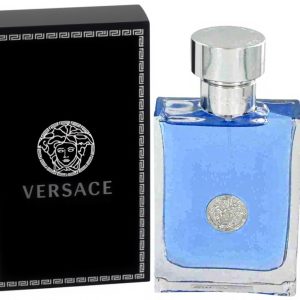 Versace Pour Homme Eau De Toilette Spray Men Fragrance