Introduction
It was during a particularly bright afternoon game at the TCU basketball arena that I first understood the importance of proper eyewear. The sun streamed through the large windows, creating glare that made it difficult to follow the fast-paced action on the court. I’d been using cheap sunglasses for years, never really considering how much they were compromising my experience. That day, as I squinted and shifted in my seat, I realized something needed to change. The combination of intense indoor lighting and occasional glimpses of the bright Texas sun outside created visual challenges I hadn’t anticipated.
As a regular attendee of TCU basketball games, I’d always focused on the team’s performance, the energy of the crowd, and the overall atmosphere. I never considered how my ability to see clearly might affect my enjoyment of the game. The realization came gradually, over several seasons of attending both day and evening games. Different lighting conditions presented different challenges, and my current sunglasses weren’t equipped to handle them all. This wasn’t just about style or fashion – it was about functionality and comfort during the hours I spent watching the sport I love.
The turning point came during a crucial conference game where the sunlight created such intense glare that I missed several key plays. I found myself constantly adjusting my position, trying to find angles that minimized the reflection. Other fans around me seemed unaffected, and I noticed several were wearing what appeared to be higher-quality sunglasses. That moment sparked my curiosity about what made certain eyewear better suited for these conditions, leading me on a journey to understand the relationship between sunglasses design and real-world visual comfort.
Real-life Context
My TCU basketball fandom spans nearly a decade, from student days to now attending as an alumnus. The Schollmaier Arena presents unique lighting challenges throughout the season. Day games bring strong sunlight through the expansive windows, while evening games have their own artificial lighting issues. The constant shift between watching the court and checking the scoreboard, between following the ball and observing player movements, requires consistent visual clarity. For years, I’d treated sunglasses as mere accessories rather than functional tools.
The environment around TCU basketball games extends beyond the arena itself. There are pre-game gatherings outside, walks across campus in varying weather conditions, and post-game activities that often stretch into bright afternoon hours. The Texas climate means plenty of sunny days, even during basketball season. I began noticing how different sunglasses performed in these diverse settings – how some handled the transition from indoor to outdoor spaces better than others, how certain lenses dealt with the specific quality of light in the arena.
What started as minor visual discomfort during games gradually became something I couldn’t ignore. The strain of squinting through inadequate lenses was affecting my enjoyment of the entire game day experience. I’d leave arenas with headaches sometimes, or find myself missing subtle aspects of the game because my vision was compromised. It became clear that if I wanted to fully appreciate the TCU basketball experience I loved, I needed to address this fundamental aspect of my game day preparation.
I began paying closer attention to what other dedicated fans were wearing. I noticed patterns – certain styles seemed more popular among regular attendees, and I started asking friends about their eyewear choices. The conversations revealed that many had put considerable thought into their sunglasses selection, considering factors I’d never contemplated. They spoke about lens technology, frame comfort during long games, and how different tints affected their viewing experience. This community knowledge became the foundation of my search for better sunglasses.
Observation
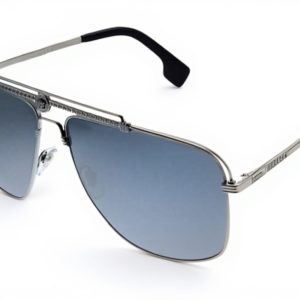
When I first tried sunglasses designed with actual performance in mind, the difference was immediately apparent during a TCU basketball game. The gradient grey mirror lenses significantly reduced the glare coming through the arena windows without making the court appear too dark. I could clearly see player movements and follow the ball’s trajectory without the visual interruptions I’d grown accustomed to. The metal frame felt substantial yet comfortable, not pressing uncomfortably against my temples during the three-hour game.
The 61 millimeter lens width provided coverage that felt just right – not so large as to be cumbersome, but sufficient to block peripheral light distractions. During timeouts, when I’d look up at the scoreboard or around at the crowd, the transition between different viewing distances felt smooth and natural. The gunmetal finish of the frame had a subtle sophistication that fit well with the game day atmosphere, neither too flashy nor too utilitarian. I appreciated how they looked without drawing unnecessary attention.
What surprised me most was how the sunglasses performed in different parts of the arena. Moving between the brightly lit concession areas and the slightly darker seating sections, my eyes adjusted comfortably. The gradient lenses seemed to handle these transitions better than any sunglasses I’d worn previously. Even when I stepped outside during halftime, the lenses provided adequate protection against the strong Texas sun without making everything appear unnaturally dark when I returned indoors.
The durability of the metal frame became apparent over multiple games. Unlike previous plastic frames that had shown wear from being repeatedly taken on and off, these maintained their shape and finish. They survived being stored in a crowded bag, being handled with sometimes less-than-clean hands during enthusiastic game moments, and the general wear and tear of regular use. The construction felt solid in a way that inspired confidence during active moments of celebration or disappointment.
Reflection
I didn’t realize at the time that this would be so important, but the right sunglasses fundamentally changed my relationship with TCU basketball games. What I had considered a minor accessory turned out to be integral to my enjoyment and engagement with the sport. The reduction in eye strain meant I could focus more on the game’s strategy and nuances rather than battling visual discomfort. This small change had ripple effects throughout my game day experience.
The experience made me reflect on how we often underestimate the importance of properly designed everyday items. We accept minor inconveniences and discomforts as normal, not realizing that better solutions exist. My previous approach to sunglasses had been purely aesthetic – I chose what looked good without considering how they would perform in specific situations. The TCU basketball environment, with its unique lighting challenges, revealed the limitations of this approach and taught me to value function alongside form.
There’s something meaningful about finding equipment that enhances rather than distracts from life’s experiences. The sunglasses became an unobtrusive tool that supported my enjoyment rather than drawing attention to themselves. They worked so well that I often forgot I was wearing them – the mark of truly functional design. This seamless integration into my game day routine contrasted sharply with my previous experiences of constantly adjusting poorly performing sunglasses.
This journey also taught me about the value of investing in quality for items we use regularly. The initial cost seemed significant compared to my previous sunglasses, but the improvement in daily comfort and specific situation performance justified the investment. More importantly, it changed how I approach other purchasing decisions – considering not just immediate appearance but long-term functionality in the contexts where I’ll actually use the items.
What started as solving a simple problem – reducing glare during TCU basketball games – became a lesson in how the right tools can transform our experiences. The sunglasses didn’t just help me see the game better; they helped me be more present, more engaged, and more appreciative of the moments I was witnessing. This subtle shift in perspective has influenced how I approach other aspects of my life, looking for ways that better equipment or preparation can enhance rather than just facilitate experiences.
Conclusion
My TCU basketball experience taught me that the right sunglasses are about more than style or sun protection – they’re about enhancing how we engage with the world around us. The gunmetal metal frame and gradient grey mirror lenses that seemed like mere specifications became meaningful through real-world use. They transformed challenging lighting conditions into comfortable viewing experiences, allowing me to focus on what mattered – the game, the atmosphere, the shared excitement with fellow fans.
The journey from visual discomfort to clear, comfortable viewing during games represents a broader lesson about paing attention to the tools we use daily. Sometimes the items we consider accessories play crucial roles in our experiences. The right sunglasses became an integral part of my TCU basketball tradition, something I now consider as carefully as which games to attend or where to sit. They’ve become part of the ritual, a small but important element of game day preparation.
What began as a solution to a specific problem – glare during afternoon TCU basketball games – has influenced how I think about all my eyewear choices. I now consider not just how sunglasses look, but how they’ll perform in the various environments where I’ll wear them. The gradient lenses that work so well transitioning between indoor and outdoor spaces, the comfortable metal frame that withstands regular use, the appropriate lens size that provides coverage without obstruction – these have become the standards by which I judge all sunglasses.
The experience reinforced that sometimes improving our daily lives doesn’t require major changes, but rather thoughtful attention to the details we’ve overlooked. A better pair of sunglasses won’t change the outcome of a TCU basketball game, but it can significantly change how we experience it. And in the end, our experiences are what we remember and cherish long after the final buzzer sounds.